Kerb height
Varies where roads have been resurfaced or where dropped kerbs were added at different times. Expect small mismatches at side roads.
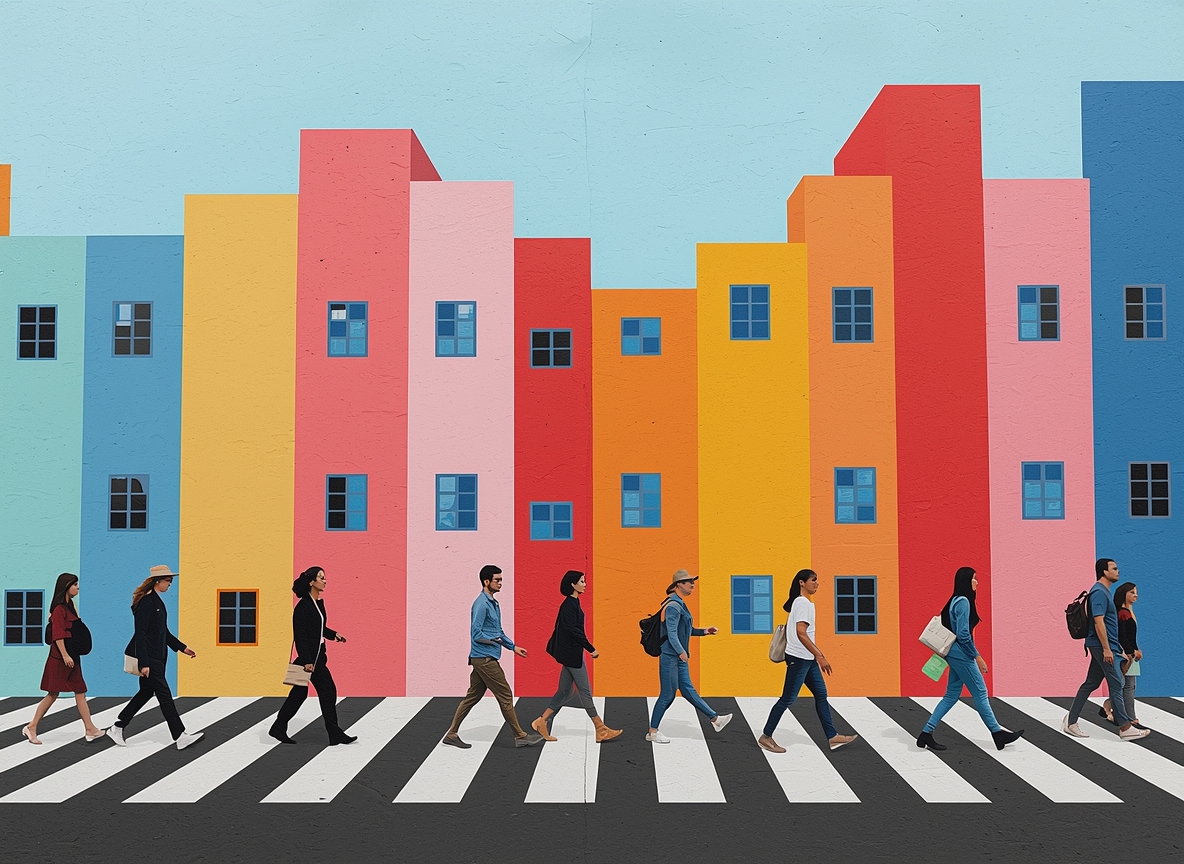
Facades, kerbs, tree pits, and changes in paving create a rhythm you can notice without naming it. This page gathers longer observational notes for people who walk for commuting, errands, or leisure—and who like language that stays neutral. Pair it with City Walks when you want a route-shaped narrative; stay here when you want to read the street’s surface and massing.
When a building line steps back, wind and light often shift in ways you can feel before you see them. Rain behaves differently: drips may fall farther out from the wall, and temporary shelter can appear where overhangs meet the pavement. None of this is a promise of comfort—only a prompt to look up occasionally, especially if you wear glasses or move at a pace where small slips matter.
Setbacks also change how sound reflects. A continuous façade can channel noise along a street; a gap or a lower courtyard can break the tunnel effect. Describing that helps you choose where to pause for conversation without implying that any spot stays quiet all evening.
Corner geometry changes how traffic noise arrives at the pavement. Standing slightly back from the very apex can reduce the harshest line-of-sight to moving vehicles; standing closer may help you see crossing traffic earlier. The trade-off depends on sightlines, not on a universal rule.
For voices, a shallow recess or a shop entrance alcove sometimes carries less street noise than the open kerb—again, sometimes. We avoid superlatives; we point at structure.
Paving changes—granite to asphalt, tactile studs to smooth slabs—signal shifts in pedestrian priority or maintenance regimes. They can also change how tired your ankles feel over distance. If you are planning a long walk, noting material transitions helps you choose rest points honestly.
Varies where roads have been resurfaced or where dropped kerbs were added at different times. Expect small mismatches at side roads.
Benches, racks, and signposts narrow effective width even when maps show a generous pavement.
Roots lift slabs slowly; after rain, leaves can hide unevenness. Ordinary caution applies.
LED retrofits and older sodium lamps read differently on brick and paint—purely visual, not a safety claim.
When you want a simple A-to-B story, open City Walks and use these streetscape notes as a parallel layer: first read the corridor logic, then return here for façade and edge questions. Contact the studio if you need a tailored outline—we ask clarifying questions rather than sending generic lists.